
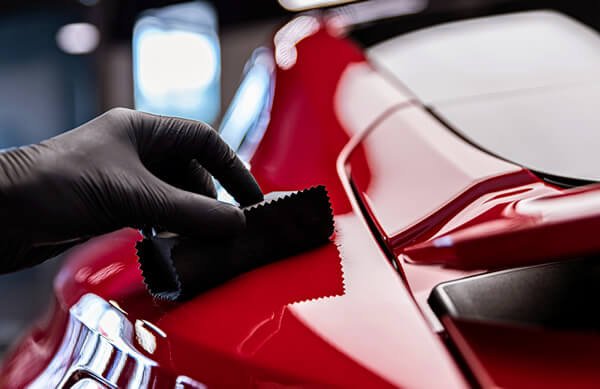
Window tinting is one of the most practical, long-lasting upgrades a Toronto driver can make. It reduces heat, blocks UV, adds privacy, and gives your car a sharp, finished look; all from a single service that, done professionally, lasts over a decade. But there’s more to it than picking a darkness and walking in. This guide covers everything you need to know.
At Avic Auto Care, our window tinting service is part of a complete suite of paint protection and detailing services we offer from our premium studio in Scarborough. We work on sedans, SUVs, trucks, and performance vehicles, and we back every installation with our commitment to flawless, lasting results.
01. What Is Professional Window Tinting?
Window tinting is the application of a thin polyester film to the interior surface of your vehicle’s glass. The film is cut precisely to fit each window and applied with a slip solution, then squeegeed completely flat and left to cure. The result is a uniform, bubble-free layer of protection that’s bonded directly to the glass, invisible as a layer, but doing a tremendous amount of work every single day.
It’s important to understand the difference between professional installation and a cheap or DIY job. Low-quality film peels at the edges, bubbles under heat, turns purple or brown after a year or two, and can have inconsistent light transmission that puts you offside with Ontario law. Professional films from reputable manufacturers, installed by trained technicians with proper tools, do none of these things. A correct installation is virtually flawless and lasts over 10 years.
At Avic Auto Care, our certified technicians use industry-leading tint films installed with precision cutting and professional-grade application techniques, ensuring a clean, long-lasting finish on every vehicle that leaves our Scarborough studio.
02. The Real Benefits – Beyond Just the Look
Most people think of tinting as a style upgrade. And it absolutely is; dark, evenly applied tint gives any vehicle a sleeker, more premium appearance. But the functional benefits are where window tinting really earns its keep, especially for GTA drivers navigating hot summers and year-round UV exposure. Here’s what professional window tinting actually does for you and your vehicle:
- UV Ray Blocking – Professional window film blocks up to 99% of harmful UVA and UVB rays, the same radiation that causes skin damage and fades your dashboard, leather, and upholstery over time. This applies even to near-clear films, meaning you can protect your interior and your skin from the front windows without going dark.
- Heat Rejection – Quality tint, especially ceramic film, dramatically reduces interior temperature on hot Toronto summer days. Instead of climbing into a vehicle that’s been baking in the sun for hours, your cabin stays noticeably cooler. Ceramic films can reject most of the solar heat even while remaining optically clear.
- Glare Reduction – Low-angle sun during morning and evening commutes is a genuine safety hazard on busy GTA roads. Tinting reduces glare significantly, improving visibility and reducing eye fatigue during long drives on the 401, DVP, or Gardiner.
- Privacy and Security – Darker rear window tints make it harder for people to see inside your vehicle, reducing the temptation for opportunistic break-ins when bags, equipment, or other valuables are left inside.
- Interior Protection – UV-induced fading and cracking of leather seats, dashboards, and trim can age a car’s interior rapidly. Tinting is one of the most effective ways to preserve your interior condition and protect resale value over the long term.
- Shattered Glass Safety – Window film holds shattered glass together in the event of an accident or impact. Instead of glass spraying inward toward you and your passengers, it stays bonded to the film a real safety benefit that often goes unmentioned.
- Energy Efficiency – By keeping your interior cooler, your air conditioning doesn’t have to work as hard. This translates to reduced fuel consumption and less strain on your engine; it’s especially meaningful on long highway drives in summer.
- Aesthetic Appeal – A clean, professional tint job gives any vehicle from a daily commuter to a luxury SUV a finished, polished look that very few other single modifications can match for the price.
Long-term value: High-quality window tint professionally installed at Avic Auto Care can last 10+ years without peeling, bubbling, or colour-shifting. That makes it one of the best dollar-per-year investments available for any Toronto vehicle owner.
03. Ontario Tint Laws: What’s Legal in 2026
This is where many Toronto drivers get caught out. Ontario’s window tinting laws are specific and fines for non-compliance run from $85 to $500, plus a mandatory order to remove the illegal tint. Before you choose a darkness level, you need to understand what’s allowed on each part of your vehicle.
Here is a clear breakdown of the rules for each window zone:
- Windshield – No aftermarket tint permitted
Windshield tinting has been banned in Ontario since January 1, 2017, under Section 73(3) of the Highway Traffic Act. Only the factory tint built into the glass itself is allowed. There are no exceptions. - Front side windows – Minimum 70% VLT required
Ontario law requires that front side windows allow at least 70% of visible light to pass through the glass. This includes the combined effect of any factory tint already in the glass and any aftermarket film added on top. Because many new vehicles already have a slight factory tint sitting at 70–85% VLT, adding even a light film can push the combined reading below 70%. Our technicians always measure your existing glass first. - Rear side windows – No restriction
You have full creative freedom on rear side windows. Whether you want a subtle 35% tint or a near-opaque 5% limo tint, both are legal. This is the most popular zone for darker tinting because it delivers maximum privacy and heat rejection where it’s most needed. - Rear window – No restriction
The rear window has no legal tint percentage requirement in Ontario, as long as both exterior side mirrors are functional and provide adequate rear visibility. Any darkness level is permitted.
Important note on front windows: Because Ontario measures the combined light transmission of both the glass and the film together, adding any aftermarket film to factory glass on the front windows can easily push you below 70% VLT even with a very light film. This is why measuring your existing glass VLT before installation is a step we never skip. We make sure you get the look you want and stay fully within the law.
04. Understanding VLT – The Number That Matters Most
VLT stands for Visible Light Transmission. It is the percentage of visible light that passes through the window film. The lower the number, the darker the tint. A 5% VLT film is extremely dark commonly called “limo tint” while a 70% VLT film is nearly transparent. Understanding VLT helps you make an informed decision about which darkness level suits your needs and stays within Ontario law.
Here’s a practical reference for the most common VLT levels and where each is typically used:
- 5% VLT – Limo Tint
Maximum darkness. Near-total privacy from outside. Only legal on rear side windows and the rear windshield in Ontario. Very popular for SUVs and larger vehicles where rear passenger privacy is a priority. - 15% VLT – Very Dark
Still delivers excellent privacy and outstanding heat rejection. Noticeably dark but allows adequate visibility for the driver when checking mirrors. Legal on rear windows only. - 25% VLT – Dark
One of the most popular choices. Provides a sleek, sporty appearance with a good balance of privacy and nighttime visibility. Suitable for rear windows in Ontario. - 35% VLT – Medium
A comfortable middle ground, noticeably tinted but with clear daytime and nighttime visibility. Widely used for rear windows when a more subtle look is preferred. - 50% VLT – Light
Subtle appearance, often barely noticeable, but still provides meaningful UV and heat rejection. Sometimes used on front windows depending on existing glass VLT. - 70% VLT – Near Clear
This is Ontario’s legal threshold for front side windows. At this level the tint is almost invisible to the eye but still blocks up to 99% of UV rays. This is a very important point many customers don’t realize, UV protection and darkness are separate properties of window film.
Key insight: Even a 70% VLT film which looks nearly clear can block up to 99% of UV rays. Darkness and UV protection are not the same thing. You can have maximum UV protection on your front windows while staying fully legal in Ontario. This surprises most customers when they first hear it, and it’s one of the most common misunderstandings we clear up during consultations.
05.Film Types: Dyed, Metallic, Carbon & Ceramic
Not all window tints are the same product. The type of film you choose makes a significant difference in how well it performs, how long it lasts, and whether it interferes with your vehicle’s electronics. Here is an honest breakdown of each major film type:
- Dyed Film – Dyed film is the entry-level option. It uses a layer of dye between an adhesive layer and a protective topcoat to absorb solar heat. It provides a good visual appearance and decent UV protection, but its heat rejection is limited compared to higher-grade films. The main drawback of dyed films is longevity the dye degrades with UV exposure over time, which causes it to fade and sometimes shift to a purple or brown hue after three to five years. It’s a workable option for a short-term vehicle or a tight budget, but it is not what we recommend for a car you plan to keep.
- Metallic Film – Metallic films embed tiny metallic particles into the film to reflect solar energy rather than absorbing it. This gives it better heat rejection than dyed film and strong durability. The downside is that the metallic particles can interfere with GPS signals, radio reception, Bluetooth, and TPMS systems in some vehicles. For this reason, metallic film has become less popular as cars have become more electronics dependent.
- Carbon Film – Carbon films are a significant step up from both dyed and metallic options. It uses carbon particles rather than dye or metal, which means it delivers better heat rejection, has a stable matter-black appearance that doesn’t fade or shift colour over time, and causes no signal interference whatsoever. Carbon films are a strong choice for most drivers who want real performance without the premium price of ceramic. It typically lasts seven to ten years with proper care.
- Ceramic Film – Ceramic film is the gold standard and the option we most often recommend for any vehicle the owner plans to keep. It uses nano-ceramic technology with no metal particles, no dye to achieve exceptional infrared-blocking performance. The heat rejection of a quality ceramic film is outstanding, often blocking the majority of solar heat even on a near-clear film. It is completely signal-transparent, so GPS, radio, mobile data, and all vehicle electronics operate normally. It doesn’t fade, doesn’t become purple, and doesn’t degrade in appearance over time. A professionally installed ceramic film has done well over a decade.
Our recommendation: For any vehicle where long-term comfort, UV protection, and resale value matter, ceramic film is the right investment. The cost difference over carbon film is often less than people expect, and the performance gap especially during Toronto summers, is substantial. If you’re driving a quality vehicle, it deserves quality films.
06. What to Expect at Avic Auto Care
Booking a window tinting service with us is a simple, transparent experience from start to finish. Here is exactly what happens from the moment you reach out to the moment you drive away:
- Free Consultation and VLT Assessment. We begin by measuring your vehicle’s existing glass VLT. This step is critical and something many shops skip entirely which is why customers end up with illegal tints they didn’t ask for. We measure first, then recommend the right darkness level for each window zone so you get the look you want and stay fully compliant with Ontario law.
- Film Selection. We walk you through film options, type, darkness level, and coverage area (all windows, rear only, or full vehicle). There is no pressure and no upselling. We match our recommendation to your priorities, whether that is privacy, heat rejection, UV protection, aesthetics, or a combination of all of them.
- Window Preparation. Every window is thoroughly cleaned and decontaminated before any film is applied. Dust, oils, or residue trapped under the film are the primary causes of bubbling and peeling, so this step is never rushed.
- Precision Film Cutting and Application. Our technicians cut the film precisely to the dimensions of each window, either using computer-generated cut patterns for a perfect fit or hand-cutting directly on the glass. The film is applied with a slip solution, positioned precisely, and then squeegeed completely flat with no air pockets, no lifted edges, and no gaps at the borders.
- Curing and Quality Inspection. After application, the film needs to be cured, typically three to five days for full adhesion under normal conditions. Before you leave, we do a thorough quality inspection and walk you through aftercare instructions, so your tint lasts as long as possible.
- You drive away impressed. Clean, evenly dark, bubble-free, legally compliant window tinting ready to protect you, your passengers, and your interior for the next 10+ years.
07. Signs Your Tint Job Was Done Poorly
If you’ve had tinting done elsewhere, or you’re buying a used vehicle and want to assess the quality of existing tint, here’s what to look out for. Any of these signs means the film needs to be removed and replaced properly:
- Persistent bubbles or air pockets – Small temporary bubbles in the first one to two weeks after installation are normal and disappear as the film cures. Large bubbles or pockets that remain after two weeks indicate poor adhesion, usually caused by dirty glass before application or the use of low-quality film.
- Purple or brown colour shift – Dyed films that have degraded will shift from neutral grey or black to a distinctly purple or brownish tone. This is a clear sign the film has exceeded its lifespan, and the dye has broken down under UV exposure. Time for a replacement.
- Lifting or peeling at the edges – Corners and edges that are lifting away from the glass mean the adhesive has failed. This is usually caused by moisture infiltration, poor surface preparation before application, or film that wasn’t cut cleanly to the edge. Once edges start lifting, the film will continue to peel.
- Uneven or patchy darkness – Areas that look lighter or darker than the surrounding tint indicate either uneven application or an inconsistent film, both signs of poor-quality materials and workmanship.
- GPS or radio signal problems – If your vehicle’s GPS, radio, mobile signal, or Bluetooth started performing poorly after a tint job, metallic film may be the culprit. High-quality carbon or ceramic film causes none of these issues. This is one of the most practical reasons to choose the right film type from the start.
- Gaps between the film and window edges – Visible lines where the film was cut short, or areas where the tint doesn’t reach the edge of the glass, are a sign of imprecise cutting. These gaps are entry points for moisture and peeling, and they look unprofessional from both inside and outside the vehicle.
If you spot any of these issues, whether on a vehicle you own or one you’re considering buying, bring it into Avic Auto Care. We can remove the old film cleanly and replace it with a professional installation that lasts
Ready for Window Tinting Done Right?
Book a free consultation at our Scarborough studio. We’ll assess your vehicle, explain every option clearly, and give you a no-obligation quote – no pressure, no surprises.
1710 Midland Ave, Scarborough
+1 (437) 808-6969
Free consultations available
10+ year film lifespan
